
Telecom
Reliable, Autonomous Power for Remote Connectivity
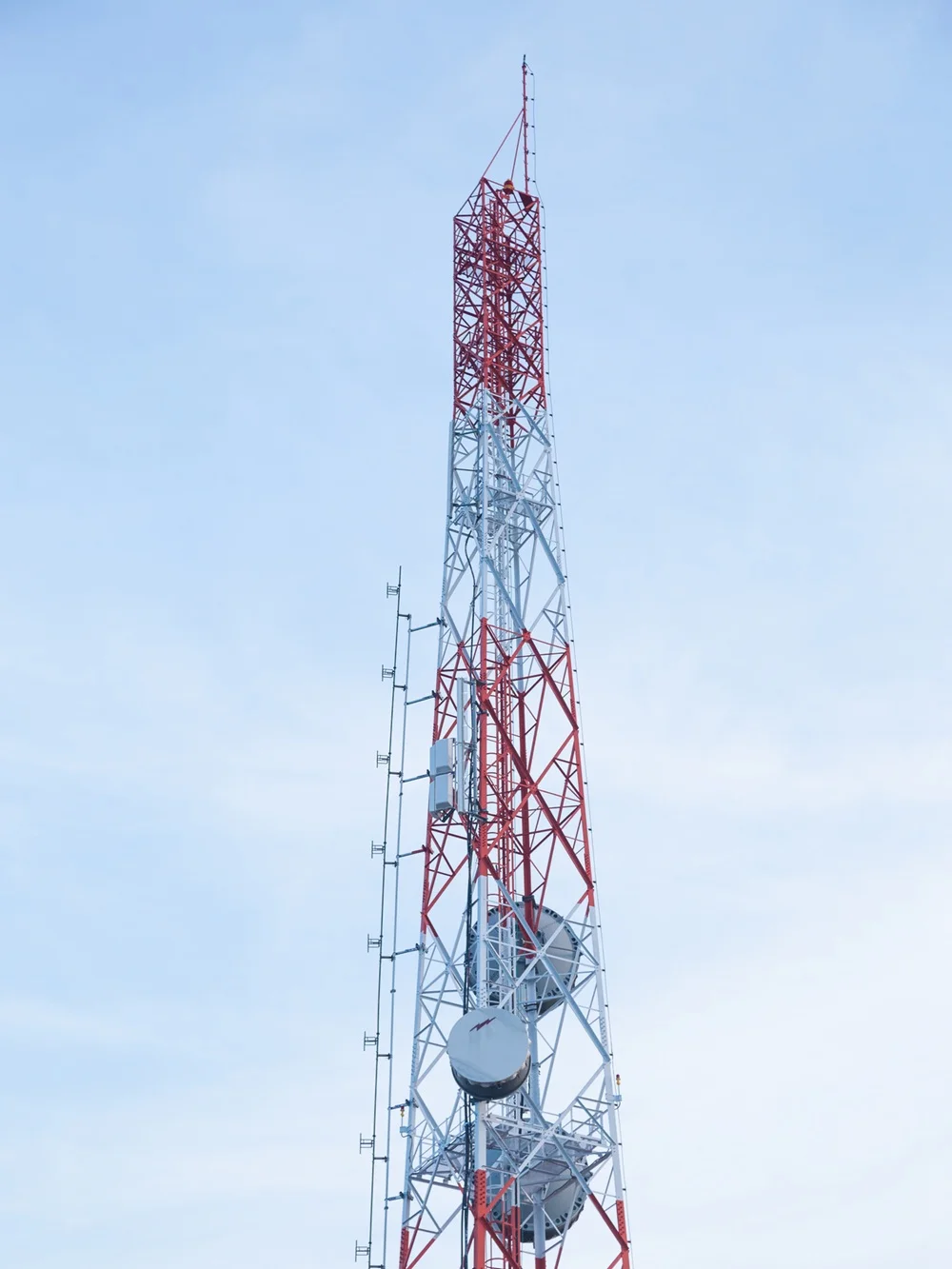
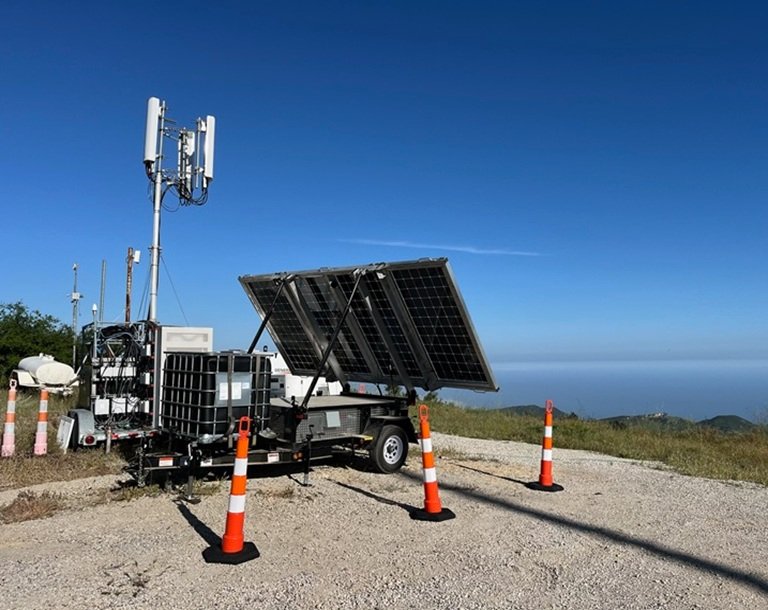
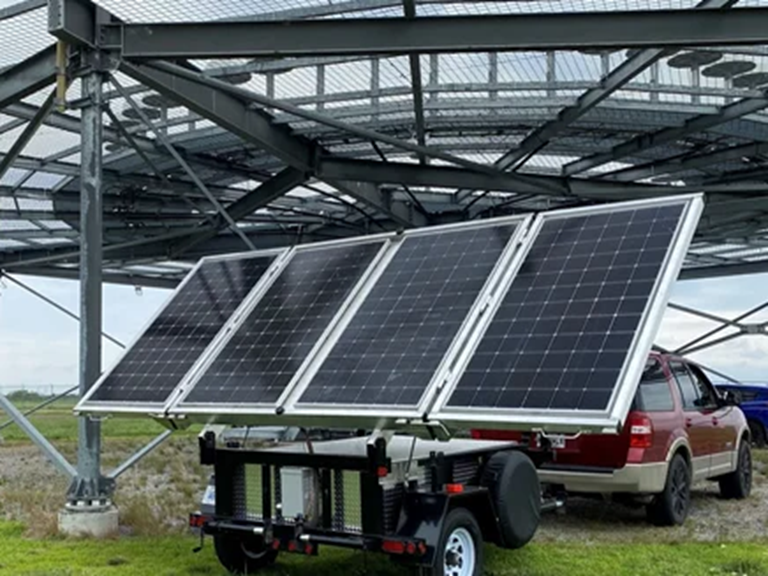
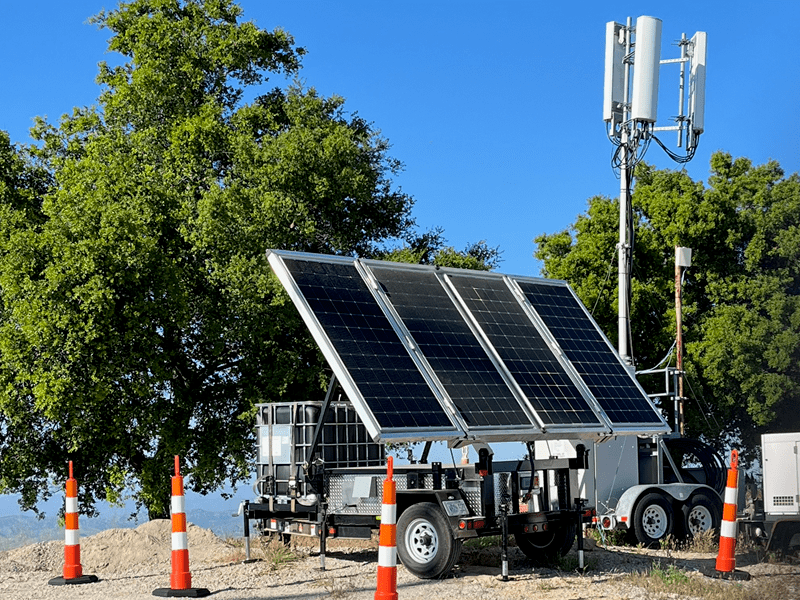
Autonomous Power Supply For TELECOM
Telecom networks demand uninterrupted power to keep communities, businesses, and emergency systems connected. Extending the grid or relying on diesel gensets in remote areas is expensive, logistically complex, and environmentally unsustainable.
MOBISMART’s hybrid solutions — combining solar + batteries + fuel cell — deliver the Trifecta of Autonomous Power. Our systems ensure 24/7 uptime for towers, repeaters, and backhaul links with far fewer site visits, lower fuel costs, and clean, silent operation. Propane and methanol fuel cells provide months of autonomy, while MOBICARE™ remote monitoring allows operators to track performance, fuel levels, and alarms remotely.
Applications
Off-grid and rural cell towers
Repeater stations for network expansion
Microwave and satellite backhaul nodes
Edge connectivity hubs for IoT and smart infrastructure
Emergency or temporary mobile towers
MOBISMART
Solutions for Telecom
Trailers
MOBISUN-350
MOBISUN-5K
Containers
MOBIPOWER-5–20K
MOBIPOWER-14K
Cabinets
MOBICELL-350
MOBICELL-15K
MOBICARE: Remote Intelligence
MOBICARE Remote Monitoring & Technical Support is what makes every MOBISMART's clean power solution more than just hardware.
With MOBICARE, operators and owners gain:
- 24/7 monitoring of solar, battery, and fuel cell performance
- Automated alerts and predictive servicing to prevent downtime
- Remote optimization to match site conditions and extend component life
- Peace of mind knowing MOBISMART’s experts are always watching
Not sure which system is right for your telecom site?
Request a Quote
FAQs
Why are hybrid power systems ideal for telecom tower applications?
Telecom towers require 24/7/365 power availability—any outage affects network coverage and potentially emergency communications. Hybrid power systems deliver this reliability through the Solar + Fuel Cell + Battery trifecta. Solar provides primary charging during daylight, the fuel cell ensures continuous charging during cloudy periods and winter months, and substantial battery storage handles load fluctuations and provides bridging power. This approach achieves 99.9%+ uptime—the carrier-grade reliability telecom infrastructure demands—without the fuel logistics, noise, and emissions of diesel generators.
How do Mobismart hybrid systems handle remote rural tower sites?
Remote rural tower sites present unique challenges that Mobismart hybrid systems are specifically designed to address: fuel delivery logistics (hybrid systems include months of fuel capacity, reducing delivery frequency), grid extension costs (eliminated entirely with autonomous operation), harsh weather (systems operate to -40°C), and maintenance access (MOBICARE™ enables remote monitoring and troubleshooting). The result is lower operating costs, reduced site visits, and more reliable power than diesel generators or grid extension would provide.
What telecom equipment can Mobismart hybrid systems power?
Mobismart hybrid systems power all standard telecom equipment: cellular base stations and radios, 5G and LTE infrastructure, microwave backhaul equipment, fiber optic terminals, network routers and switches, battery backup systems, equipment cooling/HVAC, and tower lighting. Systems provide clean, regulated power with pure sine wave output protecting sensitive electronics. Multiple voltage outputs (48VDC telecom standard, 120/240VAC) accommodate diverse equipment requirements.
Are Mobismart systems approved by major telecom carriers?
Yes. Mobismart hybrid power systems are deployed by major telecom carriers across North America. Systems meet NEBS (Network Equipment Building System) standards for telecom environments. MOBICARE™ monitoring integrates with carrier network operations center requirements. Ongoing relationships with tier-1 operators ensure Mobismart products meet evolving telecom industry requirements and standards.
How quickly can Mobismart deploy emergency telecom power?
Mobismart MOBISUN HYBRID trailers deploy for emergency telecom restoration within hours. Trailers arrive on-site via tow vehicle, set up in 2-4 hours, and provide immediate power for temporary cell sites, COWs (Cell on Wheels), or tower restoration. The hybrid design ensures reliable operation even when emergency conditions limit solar production—critical during disaster response when communication infrastructure is most needed. Several telecom operators maintain Mobismart units specifically for emergency response.
What is the cost advantage of hybrid versus diesel for telecom?
What is the most reliable power solution for remote 5G base stations without grid access?
Best solar power supply solutions for telecom towers in Canada
Solar power solutions for rural cell towers
Cost of off-grid solar for telecom sites
Affordable solar power kits designed for telecom equipment
Reliable solar battery storage for network equipment
Companies specializing in telecom solar installations Canada
Mobismart Clean Power Solutions – Off-grid solar, battery, fuel cell, and hybrid power systems for telecom towers and remote communications sites.
ATCO – Remote power and utility infrastructure solutions, including telecommunications applications.
WSP Canada – Engineering and design services for telecom and renewable energy projects.
Solar X – Commercial solar and battery storage installations across Canada.
Xolar Inc. – Solar and energy storage systems for commercial and remote sites.
These companies provide solutions ranging from solar EPC services to fully integrated off-grid telecom power systems with battery storage and remote monitoring.
Advantages of using solar power supply in telecom networks
Advantages of Using Solar Power Supplies in Telecom Networks
Lower Operating Costs – Reduces or eliminates diesel fuel consumption and associated maintenance expenses.
Improved Reliability – Provides continuous power for remote telecom sites, especially when combined with battery storage.
Reduced Site Visits – Remote monitoring and fewer refueling trips lower operating and maintenance costs.
Environmental Benefits – Significantly reduces greenhouse gas emissions and noise pollution compared to diesel generators.
Energy Independence – Enables operation in off-grid locations without access to utility power.
Scalability – Systems can be sized for small repeater stations, cell towers, or large communications hubs.
Enhanced Network Uptime – Solar and battery systems provide reliable backup power during grid outages.
Lower Total Cost of Ownership – Although initial capital costs may be higher, lifecycle costs are often significantly lower than diesel-powered alternatives.
Quiet Operation – Ideal for remote communities, environmentally sensitive areas, and urban telecom sites.
Supports Sustainability Goals – Helps telecom operators meet ESG, carbon reduction, and corporate sustainability objectives.
Modern telecom solar power systems can be integrated with battery storage, fuel cells, or backup generators to provide reliable 24/7 power for cell towers, 5G infrastructure, microwave links, and remote communications networks.
Local suppliers of solar power solutions for Canadian telecom towers
Local Suppliers of Solar Power Solutions for Canadian Telecom Towers
Mobismart Clean Power Solutions – Specializes in off-grid telecom power systems combining solar, batteries, fuel cells, and remote monitoring for cell towers and communications networks.
ATCO – Developed one of Canada's largest off-grid telecom solar installations, providing 100% renewable power to a remote telecommunications site.
WSP Canada – Engineering and consulting services for solar and energy storage infrastructure across Canada.
Solar X Canada – Commercial solar and battery storage installer with nationwide deployment experience.
Why telecom operators choose solar: Solar-plus-battery systems reduce diesel fuel consumption, lower operating costs, improve uptime at remote sites, and provide reliable power for off-grid telecom towers and broadband infrastructure. Bell Canada's remote cell tower projects have demonstrated significant diesel savings using solar and battery systems.