Fuel Cell Explained


The Role of Fuel Cells in Hybrid Power
Fuel cells are electrochemical devices that generate electricity without combustion, eliminating harmful emissions and noise. In MOBISMART hybrid systems, solar power is always the primary source, but fuel cells step in as backup whenever solar production drops — at night, during extended cloudy weather, or through long northern winters.
How Fuel Cells Work
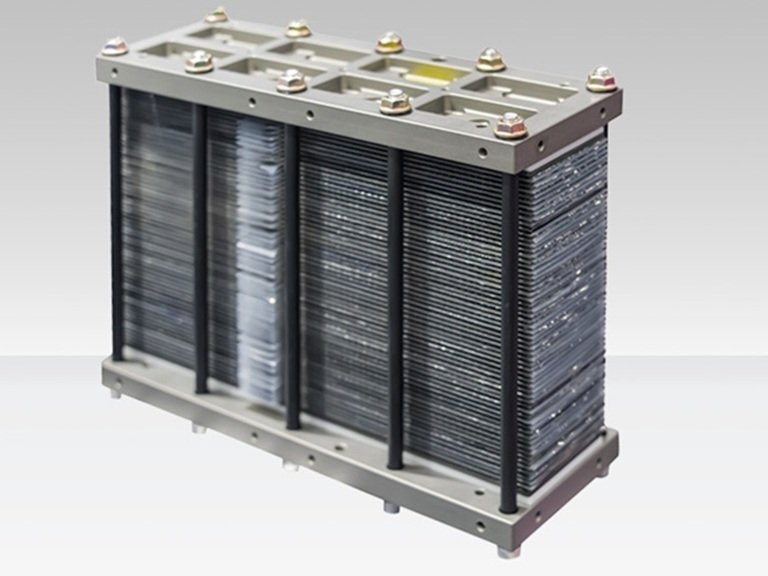
At the heart of every MOBISMART trailer, container, and cabinet is a fuel cell stack. Here’s what happens inside:
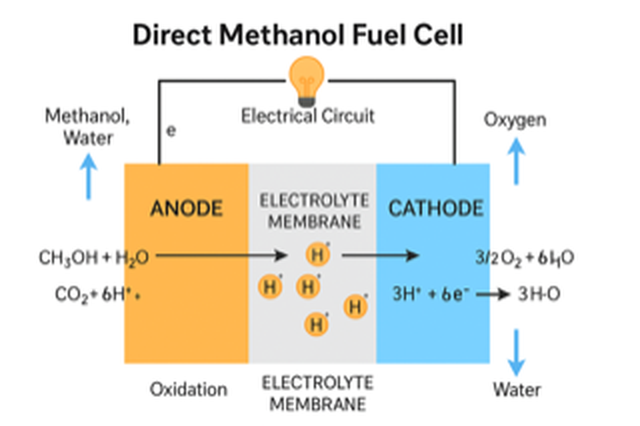
Fuel + Oxygen Reaction — Methanol, propane, or natural gas combines with oxygen in a catalytic process.
Electricity — Produced instantly to recharge batteries and power critical loads.
Heat — Managed internally to optimize efficiency and cold-weather performance.
Water + Trace CO₂ — The only by-products, far cleaner than diesel exhaust.
Why Fuel Cells Matter in Off-Grid Power
Solar alone isn’t enough — In northern regions with low sun hours, solar-only systems cannot keep batteries charged through long winters.
Batteries alone can’t last — Batteries are excellent for short-term storage, but once depleted they need backup to recharge.
Diesel generators are obsolete — Noisy, polluting, and service-heavy, they’re increasingly incompatible with today’s sustainability and ESG goals.
Fuel Cell Types
MOBISMART is fuel cell agnostic — we integrate the right technology for the load, location, and application.
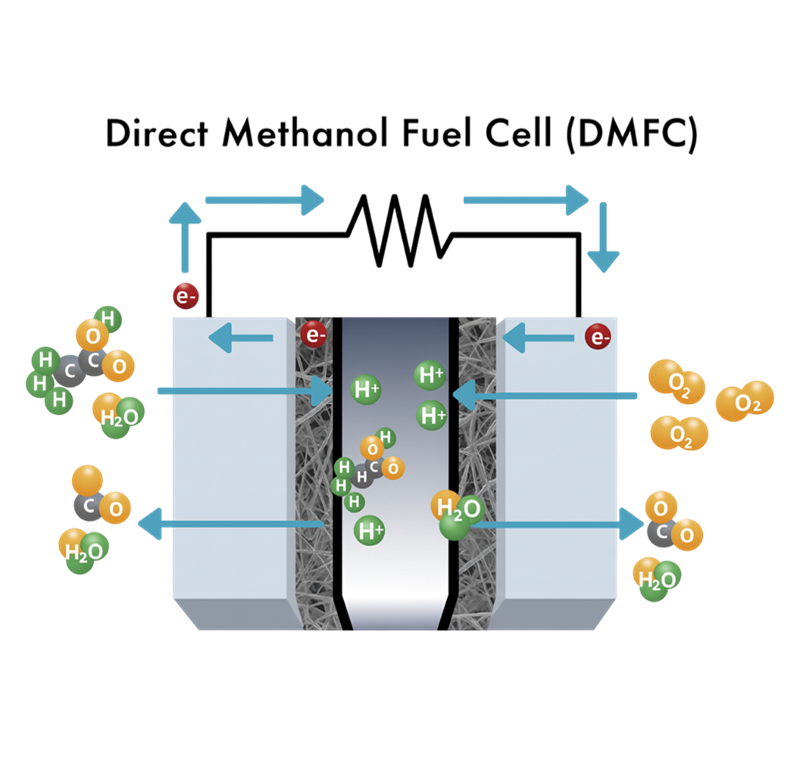
DMFC
Direct Methanol Fuel Cell
Output Range: 50–125 W
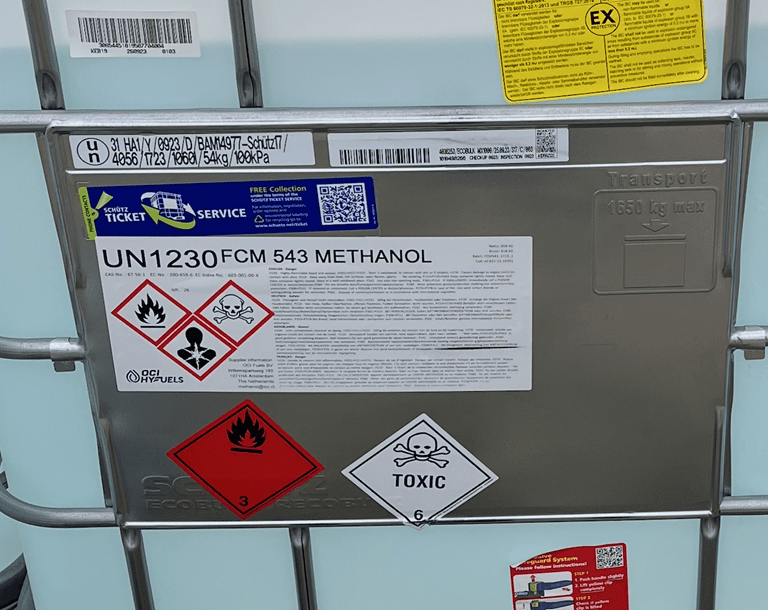
Fuel Type: Pure methanol cartridges
Compact and simple design
Best for lighter loads such as ZX300, WindCube, and small telecom sites
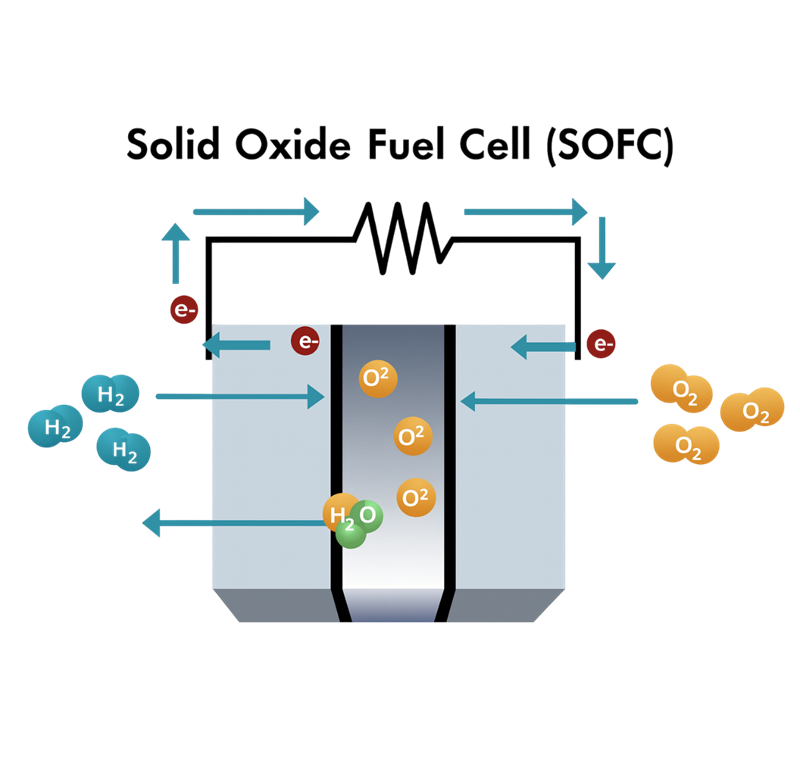
SOFC
Solid Oxide Fuel Cell
Output Range: Up to 350 W continuous
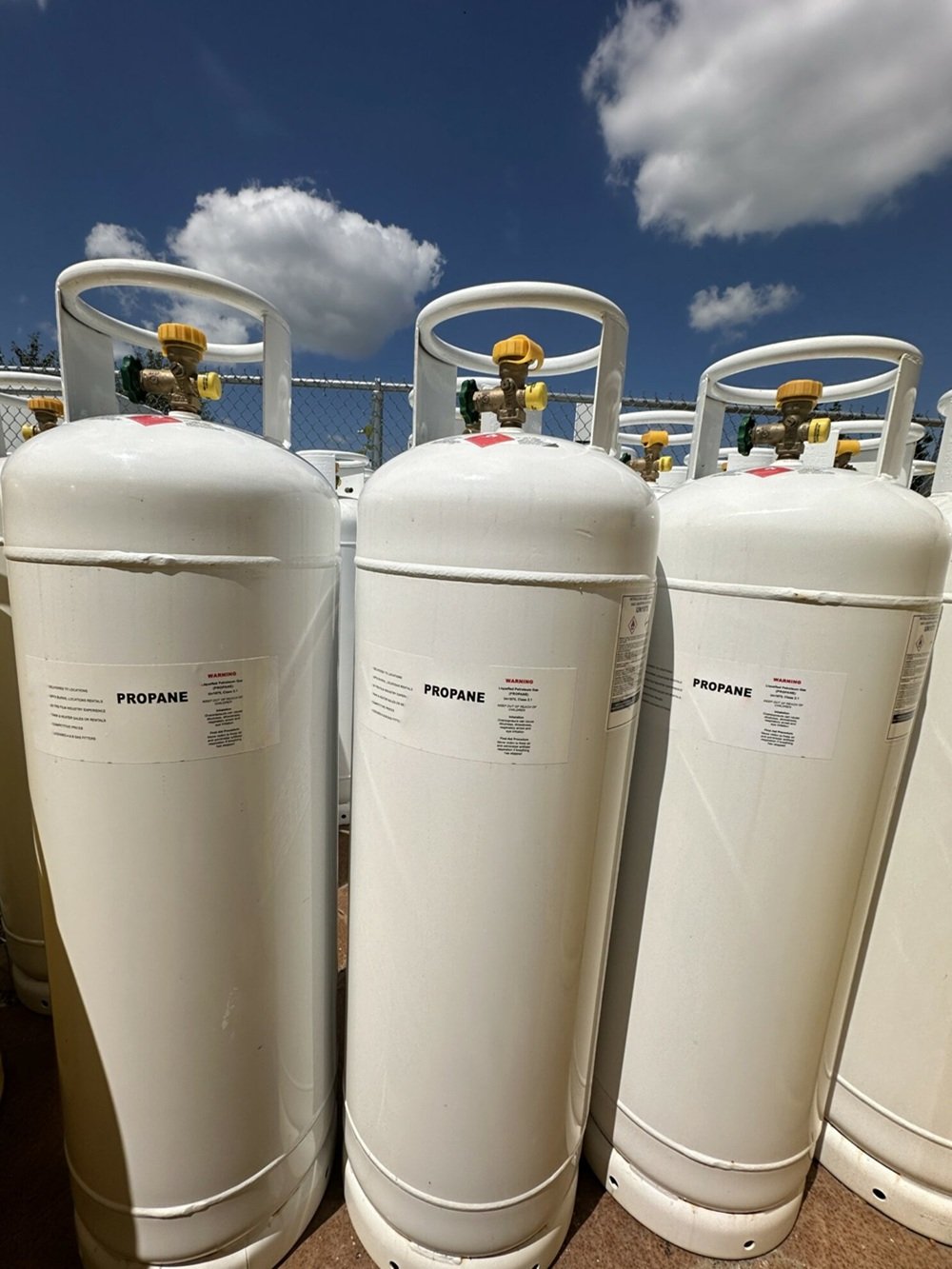
Fuel Type: Propane or natural gas
Rugged, high-efficiency operation
Excels in cold climates and long-term deployments
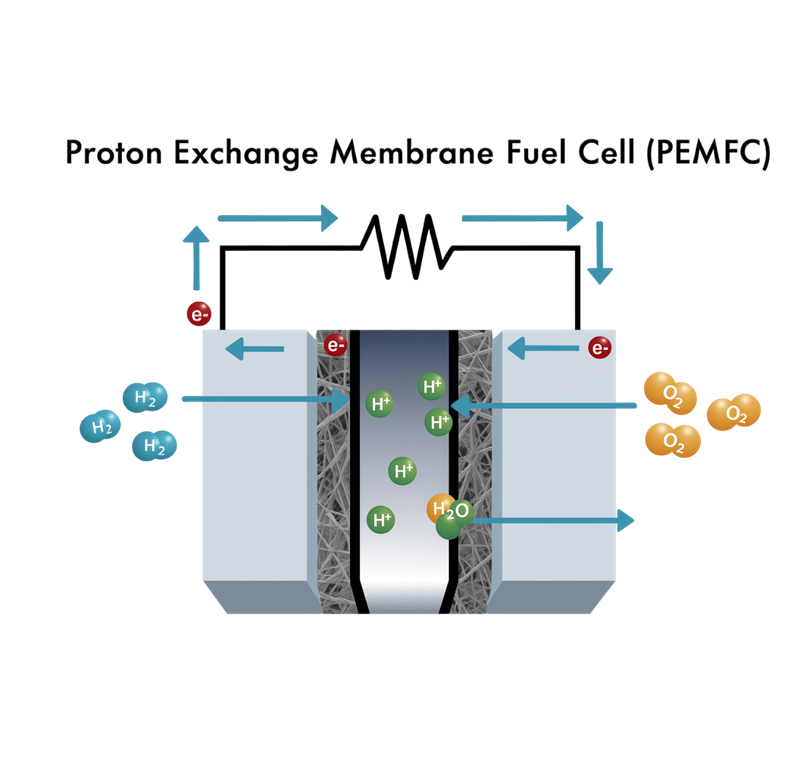
HT-PEM
High-Temperature PEM Fuel Cell
Output Range: Mid-range modules up to 5 kW+
Fuel Type: 60/40 methanol/water mix
Fast startup and flexible output
Scalable: from telecom and security → to heavy-duty construction and industrial loads
Provides a diesel-free alternative at scale
Fuel Cells vs Diesel Generators
The modern replacement for legacy gensets.
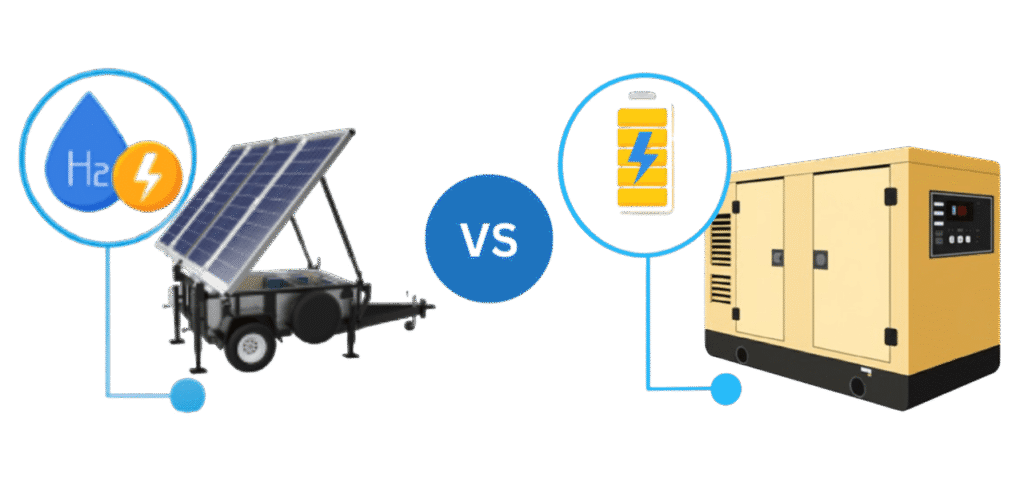
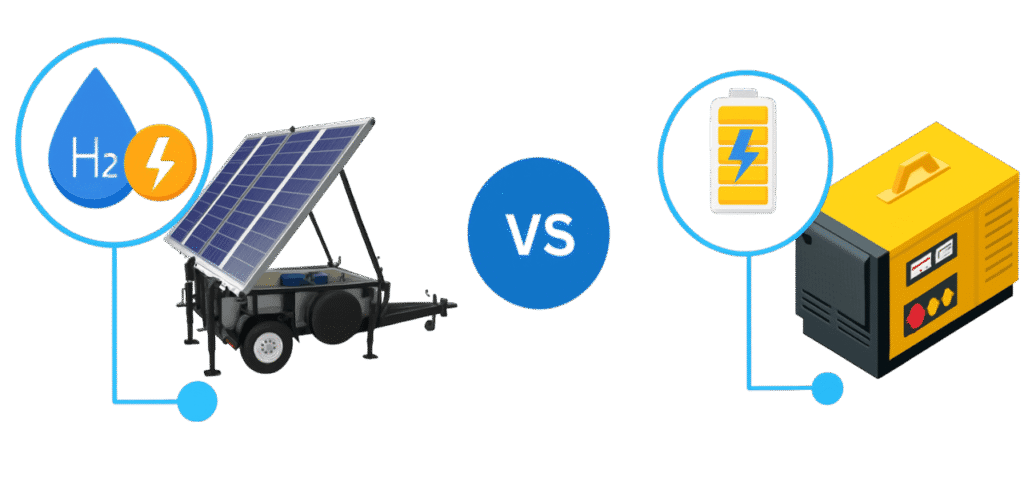
Fuel cells are the modern replacement for legacy gensets: cleaner, quieter, more efficient, less maintenance. Where diesel burns fuel (CO₂, NOx, SOx, particulates), fuel cells generate silent power with no moving parts.
| Category | Fuel Cells | Diesel Generators |
|---|---|---|
| Noise | Silent | Loud and disruptive |
| Emissions | Near-zero (no NOx/SOx) | High CO₂, NOx, SOx |
| Maintenance | Minimal, no moving parts | Frequent oil/filter service |
| Runtime | 10,000–15,000 hrs unattended | Constant refueling required |
| Remote Monitoring | Yes — cloud dashboards | Rare / none |
| Sustainability | Net-zero aligned | High carbon footprint |
Fuel Cells vs Batteries
More autonomy, less logistics.
| Category | Fuel Cells | Batteries |
|---|---|---|
| Function | Generate electricity | Store electricity |
| Runtime | Continuous with fuel | Limited (finite storage) |
| Cold Climate | Reliable (SOFC, HT-PEM) | Capacity de-rates unless heated |
| Best Use | Long-term autonomy | Short-term bridging |
| Role in Hybrid | Recharge batteries | Supply instant load |
Together, solar + batteries + fuel cells form the Trifecta of Autonomous Power.
MOBISUN-125 vs MOBISUN-350 — Which is Right for Your Wind Lidar?
Attribute
MOBISUN-125 (Methanol DMFC)
MOBISUN-350 (Propane SOFC)
Key Takeaways
Choose MOBISUN-125 for shorter projects where portability and methanol supply are convenient.
Choose MOBISUN-350 for multi-year, cold-climate, or mission-critical deployments where reliability and lower lifecycle costs matter most.
MOBICARE: Remote Intelligence
Every MOBISMART fuel cell system is integrated with MOBICARE™ Remote Monitoring & Support:
- 24/7 dashboards for fuel levels, load, battery SOC, solar harvest, and fuel cell runtime
- GPS tracking and automated alerts
- Remote troubleshooting and predictive servicing to avoid unnecessary site visits
With MOBICARE, fuel cells become not just backup power, but part of a managed, optimized clean power solution.
Clean, Autonomous Power — Anywhere
Fuel cells make MOBISMART’s Trifecta of Power — Solar + Battery + Fuel Cell possible. They replace diesel, cut costs, and guarantee uptime in the harshest conditions.
Request a Quote
FAQs
How does a hydrogen fuel cell work in Mobismart systems?
What fuels can Mobismart fuel cells use?
Why do some fuel cells fail in extreme cold while Mobismart systems don't?
How efficient are Mobismart fuel cells compared to diesel generators?
What maintenance do Mobismart fuel cells require?
Mobismart fuel cells require less maintenance than diesel generators: quarterly filter inspection and replacement as needed, annual comprehensive service including stack health check, and periodic firmware updates via MOBICARE™. There are no oil changes, no spark plugs, no exhaust system maintenance, and no starting batteries to replace. MOBICARE™ continuously monitors fuel cell health, alerting operators to any issues requiring attention. Fuel cell stacks typically deliver 20,000-40,000 operating hours before requiring replacement.
How long do fuel cell stacks last?
What are the advantages of using methanol or propane fuel cells over hydrogen for remote off-grid power logistics?
For defence and security applications, methanol and propane fuel cells offer significant logistical advantages over hydrogen fuel cells, particularly in remote and off-grid environments. Both methanol and propane are widely available, easier to transport, and can utilize existing fuel distribution infrastructure, reducing the complexity and cost of deployment.
Unlike hydrogen, which often requires high-pressure storage, specialized handling procedures, and dedicated refueling infrastructure, methanol and propane can be stored and transported using conventional tanks and equipment. This simplifies logistics, improves operational flexibility, and reduces the burden on supply chains supporting remote communications systems, surveillance networks, border security installations, and tactical operations.
Methanol and propane also provide high energy density, enabling longer runtimes between refueling events. Propane is particularly attractive in regions where it is already readily available, while methanol offers excellent fuel storage characteristics and can be sourced from renewable feedstocks. Both fuels can support long-duration autonomous operation with minimal maintenance when integrated into hybrid power systems.
Mobismart Clean Power Solutions utilizes methanol and propane fuel cell technologies within its hybrid solar power platforms to provide reliable, autonomous power for defence and security infrastructure. By combining solar energy, battery storage, and fuel cell backup, these systems deliver continuous operation, reduced fuel logistics, and improved resilience for mission-critical applications in remote locations.
What are the main advantages of fuel cell hybrid systems?
Fuel cell hybrid systems provide reliable, autonomous power for defence and security operations by combining fuel cells, battery storage, and solar energy into a single resilient power platform. This approach delivers continuous power while reducing fuel consumption, maintenance requirements, and logistical challenges in remote and mission-critical environments.
For defence and security applications, fuel cell hybrid systems offer silent operation, low thermal and acoustic signatures, extended runtime between refueling visits, and reduced dependence on fuel deliveries. The battery system handles peak power demands, while the fuel cell efficiently maintains battery charge and provides long-duration backup power. Solar energy can further reduce fuel consumption and extend mission endurance.
These systems are ideal for powering communications networks, surveillance systems, radar installations, border security infrastructure, RF detection systems, remote command posts, and other critical assets where power reliability is essential. Their modular and scalable design allows them to be deployed rapidly and expanded as operational requirements grow.
Mobismart Clean Power Solutions integrates solar panels, battery storage, and methanol or propane fuel cells into hybrid power systems designed specifically for remote and off-grid defence and security applications, providing dependable 24/7 power with minimal maintenance and logistical support.
Are there different types of fuel cells used in hybrid power applications?
Yes. Several types of fuel cells are used in hybrid power systems, each offering different advantages depending on the mission requirements, power level, and fuel logistics.
Proton Exchange Membrane (PEM) fuel cells are commonly used where rapid response and high power density are required. They are often fueled by hydrogen and are well suited for mobile and tactical applications.
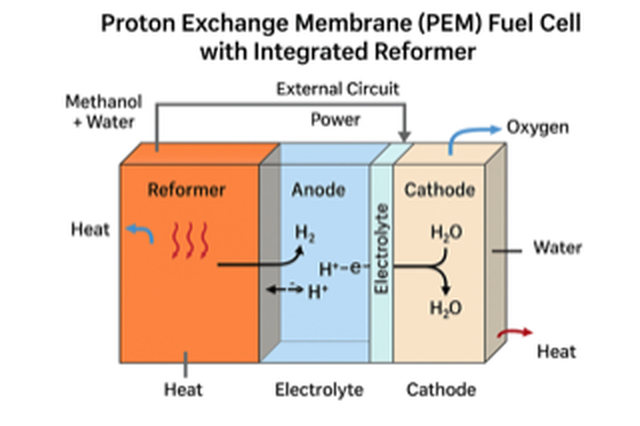
High-Temperature PEM (HT-PEM) fuel cells can operate on fuels such as methanol through a reforming process and are valued for their reliability, fuel flexibility, and suitability for remote off-grid deployments.
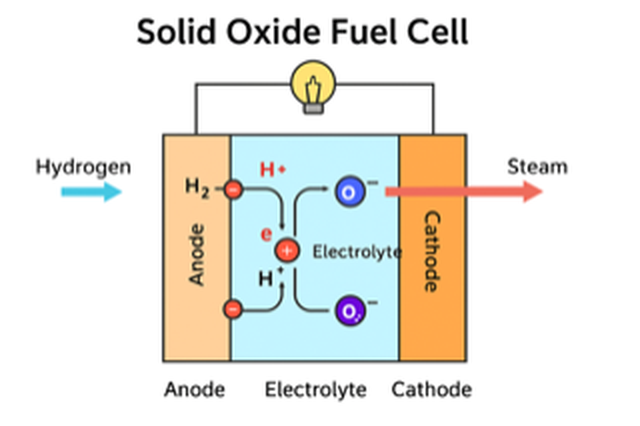
Solid Oxide Fuel Cells (SOFCs) operate at high temperatures and offer excellent fuel flexibility, allowing the use of propane, natural gas, and other readily available fuels. They are highly efficient and well suited for long-duration remote power applications where fuel logistics are a key consideration.
For defence and security operations, fuel cell selection is often driven by fuel availability, mission duration, maintenance requirements, and deployment location. Propane and methanol-based fuel cell systems are particularly attractive because they leverage existing fuel supply chains and avoid many of the storage and transportation challenges associated with hydrogen.
Mobismart Clean Power Solutions integrates both propane-fueled SOFC technology and methanol-fueled HT-PEM technology into hybrid solar-battery-fuel-cell systems for communications networks, surveillance systems, RF detection platforms, border security infrastructure, and other mission-critical defence applications requiring reliable, autonomous off-grid power.
What role do fuel cells play in backup power for critical infrastructure?
For defence and security applications, fuel cells provide a highly reliable source of backup power that helps ensure continuous operation of mission-critical infrastructure during grid outages, fuel supply disruptions, or extended remote deployments. Integrated into hybrid power systems alongside solar panels and battery storage, fuel cells automatically maintain battery charge and supply power when renewable energy production is insufficient.
Fuel cells are particularly valuable for powering communications networks, surveillance systems, radar installations, command-and-control facilities, border security infrastructure, RF detection systems, and remote monitoring equipment where uninterrupted operation is essential. Compared to conventional generators, fuel cells offer quieter operation, lower maintenance requirements, reduced emissions, and longer autonomous runtimes with fewer refueling visits.
For remote and off-grid defence installations, fuel cells also reduce logistical burdens by minimizing fuel consumption and enabling long-duration operation with a smaller support footprint. When combined with solar energy and battery storage, they create a resilient and redundant power architecture capable of maintaining critical operations in demanding environments.
Mobismart Clean Power Solutions integrates propane and methanol fuel cell technologies into hybrid solar-battery power systems designed for defence and security applications, delivering dependable 24/7 backup power for mission-critical infrastructure while reducing operating costs and fuel logistics.
What are the leading fuel cell hybrid power solutions for remote telecom sites?
For defence and security applications, the leading remote telecom power solutions are hybrid systems that combine solar panels, battery storage, and fuel cell backup to provide reliable 24/7 operation in off-grid and mission-critical environments. These systems are designed to power communications networks, tactical communications equipment, surveillance systems, RF detection platforms, radar installations, and border security infrastructure where uptime is essential.
Mobismart Clean Power Solutions offers advanced fuel cell hybrid power systems that integrate solar energy, battery storage, intelligent controls, remote monitoring, and either propane or methanol fuel cells. This hybrid architecture reduces fuel consumption, minimizes maintenance requirements, extends runtime between service visits, and provides resilient backup power during prolonged periods of low solar production.
For remote telecom sites supporting defence and security operations, fuel cell hybrid systems provide significant advantages over diesel-only solutions, including quieter operation, lower thermal and acoustic signatures, reduced logistics requirements, improved reliability, and lower operating costs. Their modular design also allows them to scale from small communications nodes to larger telecommunications and surveillance networks.